Thermal Anomalies: The Hidden Story Inside Your Home
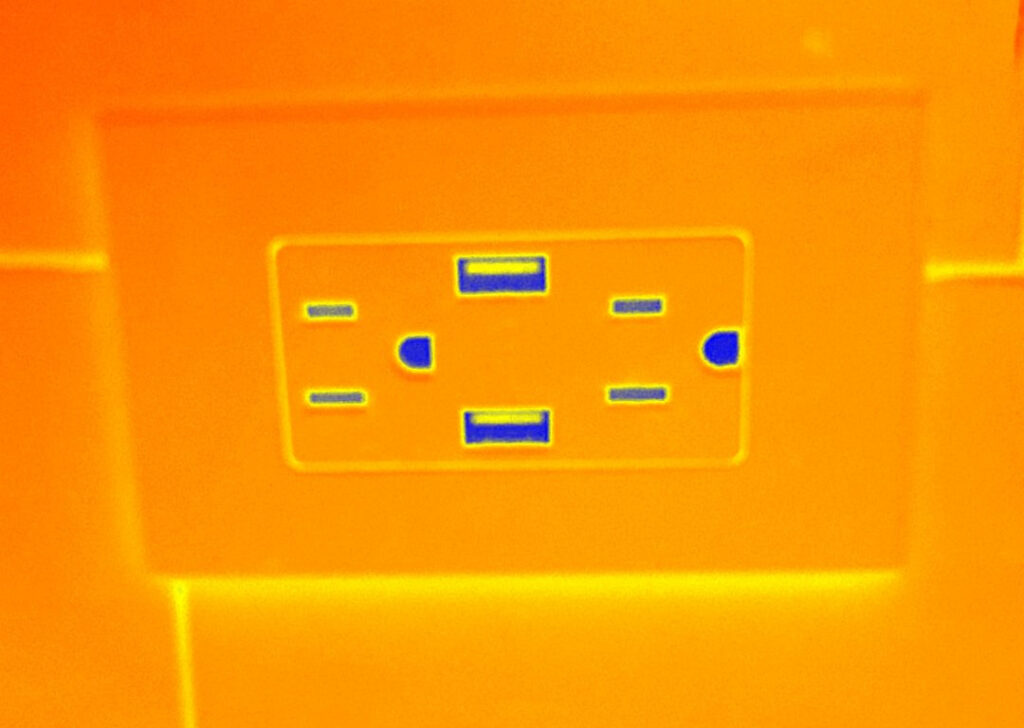
Table of Contents
Unseen Heat Patterns That Deserve Attention
Thermal anomalies, sometimes called thermal irregularities, heat signatures, hot spots, or cold spots, often remain invisible until specialized equipment reveals unexpected patterns behind walls or above ceilings. Many homeowners pass through the same rooms every day without realizing that unusual temperature differences may point toward insulation gaps, moisture intrusion, failing electrical components, or hidden air leaks. Quiet problems can linger for months while utility bills climb and building materials slowly deteriorate without obvious warning signs.
People cannot usually detect these conditions with ordinary observation alone. Shadows, paint, and finished drywall conceal the movement of heat so effectively that an expensive problem may hide in plain sight. That hidden quality gives ordinary homes an unsettling atmosphere when unexplained drafts or warm patches continue appearing without a clear explanation.
Stories often circulate suggesting that every strange temperature pattern points toward extraordinary causes or secret influences operating behind household surfaces. Careful inspections usually uncover practical explanations involving ventilation, insulation, plumbing, electrical systems, or structural defects rather than mysterious forces. Even so, the sense that something unseen operates quietly beyond daily awareness continues to capture attention and imagination.
Unchecked thermal anomalies can gradually affect household budgets because heating and cooling equipment may work harder to maintain comfortable indoor conditions. Escaping conditioned air and unwanted heat transfer increase energy consumption while placing additional strain on mechanical systems over extended periods. Small inefficiencies repeated across every season may create noticeable financial consequences before anyone discovers the source.
Following the Trail Behind the Walls
Thermal imaging surveys frequently expose hidden conditions that ordinary visual inspections cannot reveal during routine maintenance visits. Moisture trapped behind drywall, deteriorating insulation, overloaded electrical connections, and poorly sealed windows may all create unusual temperature patterns visible through infrared equipment. Those findings often replace uncertainty with measurable evidence that supports targeted repairs instead of unnecessary guesswork.
Health concerns sometimes enter the discussion because moisture related thermal anomalies may coincide with damp environments that encourage mold growth or reduce indoor comfort. Persistent drafts and uneven temperatures may also contribute to discomfort that affects sleep quality or general well being for some occupants. Addressing the underlying building issue can improve efficiency while supporting a more stable indoor environment.
The hidden nature of thermal anomalies gives homes an air of quiet secrecy because important clues remain concealed until someone actively searches for them. Suspicion alone does not solve maintenance problems, yet ignoring unusual patterns may allow preventable issues to become larger and more expensive over time. Practical investigation supported by appropriate tools often uncovers ordinary explanations that still deserve prompt attention.
Why Thermal Anomalies Matter for Health and Household Costs
Understanding thermal anomalies helps homeowners recognize that invisible building problems can influence comfort, maintenance expenses, and indoor conditions without dramatic warning signs. Early detection may identify insulation failures, moisture intrusion, or electrical concerns before repairs become substantially more complicated and costly. In some situations, resolving those issues can also improve indoor air quality and reduce conditions that encourage unwanted mold growth.
Awareness benefits health because maintaining consistent temperatures and controlling moisture supports a more comfortable living environment for many households. Financial advantages may follow when heating and cooling systems operate efficiently instead of compensating for hidden energy losses throughout the structure. Paying attention to unusual heat patterns encourages preventive maintenance that protects both the home and the people living inside it.