
Concerns About EMFs From Power Lines, Cell Towers, 5G, and Household Technology
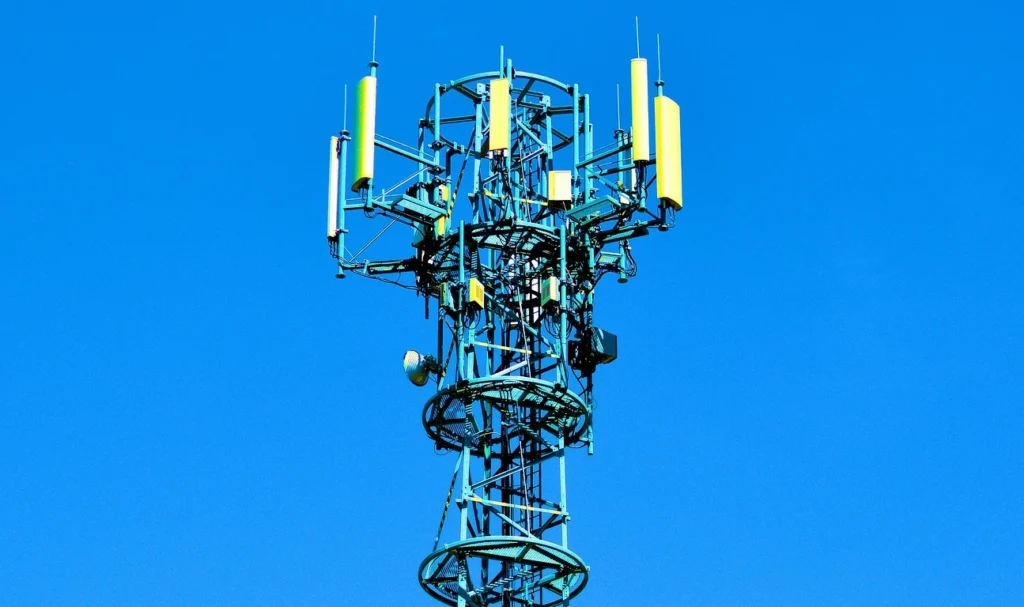
Table of Contents
Why People Are Paying Closer Attention to Electromagnetic Fields
Questions about electromagnetic fields, often called EMFs, have become increasingly common as modern life grows more dependent on wireless communication, electrical infrastructure, and connected devices. Many people notice transmission power lines crossing neighborhoods, cell towers appearing near homes, and new generations of wireless technology expanding into everyday environments. These visible changes often create a sense that exposure is increasing faster than public understanding can keep pace.
Concern usually begins with a simple observation. Technology seems to arrive long before most people have an opportunity to understand how it works, what levels of exposure are considered normal, and what long term research may eventually reveal. That uncertainty can create a feeling that important questions remain unanswered while large systems continue expanding around communities.
Public discussion surrounding EMFs includes a wide range of viewpoints. Some people focus on established scientific findings and regulatory standards, while others believe that certain risks may not be fully understood or adequately investigated. This divide often leads individuals to seek independent assessments, measurements, and practical ways to better understand the environments where they live and work.
Common Sources of EMF Exposure
EMFs originate from many sources that have become deeply integrated into modern daily life. High voltage transmission lines, neighborhood distribution lines, household wiring, wireless routers, smart devices, cellular infrastructure, and various electronic appliances all generate electromagnetic fields to some degree. Exposure levels vary significantly depending on distance, power output, usage patterns, and environmental conditions.
Cell towers and 5G installations often attract particular attention because they are visible reminders of expanding wireless networks. Residents sometimes wonder whether proximity to these structures changes their exposure profile or whether cumulative effects from multiple nearby sources deserve greater scrutiny. Questions become even more common when new equipment appears in areas that previously contained little visible infrastructure.
Inside the home, concerns frequently shift toward Wi Fi routers, smart meters, cordless phones, baby monitors, gaming systems, and countless connected devices. Many households contain dozens of electronics operating simultaneously throughout the day and night. That reality has encouraged some people to seek measurements rather than relying on assumptions about what may or may not be present.
Alternative spellings and related terms often appear during research. Individuals may encounter references to electro magnetic fields, electromagnetic radiation, radiofrequency radiation, RF exposure, wireless radiation, electric fields, magnetic fields, and electromagnetic frequencies. These terms are sometimes used interchangeably even though they may describe different aspects of electromagnetic energy.
Why Uncertainty Continues to Drive Interest, Especially with Cell Towers
One reason concern persists is that many people believe technological change has moved faster than public education. New wireless standards, expanded network coverage via new and powerful cell towers, and increasing device density can create the impression that society is participating in a large experiment without fully understanding every possible outcome. Whether that perception is accurate or not, it continues to influence public conversations.
Another factor involves trust. Large industries, government agencies, and scientific organizations often communicate complex information in highly technical language that can be difficult for the average person to evaluate. When explanations seem incomplete or inaccessible, some individuals begin searching for independent perspectives and alternative interpretations of available data.
Stories shared online also play a powerful role. Reports from neighbors, family members, and community groups can spread rapidly, especially when they involve unexplained symptoms or concerns about nearby infrastructure. Even when those reports do not establish causation, they can strengthen the belief that hidden environmental factors deserve closer attention.
Many people ultimately seek clarity rather than confirmation of a particular viewpoint. They want to know what EMFs exist in their environment, how exposure levels compare with established guidelines, and whether practical steps can reduce unnecessary exposure. Reliable measurements and informed discussions often help transform uncertainty into a more manageable understanding of the situation.
The Value of Understanding EMF Exposure and Potential Health Implications
Understanding EMFs is important because uncertainty itself can become a significant source of stress for individuals and families. When people see power lines near homes, cell towers near schools, or wireless devices operating continuously indoors, questions naturally arise about what those exposures mean over time. Access to clear information helps people make decisions based on evidence rather than speculation alone.
Health concerns remain one of the primary reasons people investigate electromagnetic fields. Researchers continue studying different forms of exposure, while public agencies and scientific organizations regularly review available evidence to determine appropriate safety recommendations. Ongoing research reflects the reality that technology continues evolving and that long term observation remains valuable.
Awareness can also encourage practical environmental assessments. Individuals who understand potential sources of exposure are better positioned to evaluate household technology placement, electrical system conditions, and personal device usage patterns. Simple changes may improve comfort and confidence even when measured exposures remain within established guidelines.
The broader impact extends beyond individual households. Communities often want transparent discussions before major infrastructure projects are installed near residential areas, schools, or workplaces. Public engagement can help ensure that questions are addressed openly and that residents understand both the benefits and limitations of available research.
Knowledge creates a foundation for informed decision making. Whether concerns involve transmission lines, cellular networks, 5G systems, wireless devices, or general electromagnetic field exposure, understanding the topic allows people to evaluate claims more carefully and avoid conclusions driven solely by fear. A balanced approach recognizes legitimate questions, acknowledges areas of uncertainty, and encourages continued research while helping individuals make thoughtful choices about their environments.