Cold Spots in the Wall Could Signal Hidden Insulation Failures and Dangerous Moisture Problems
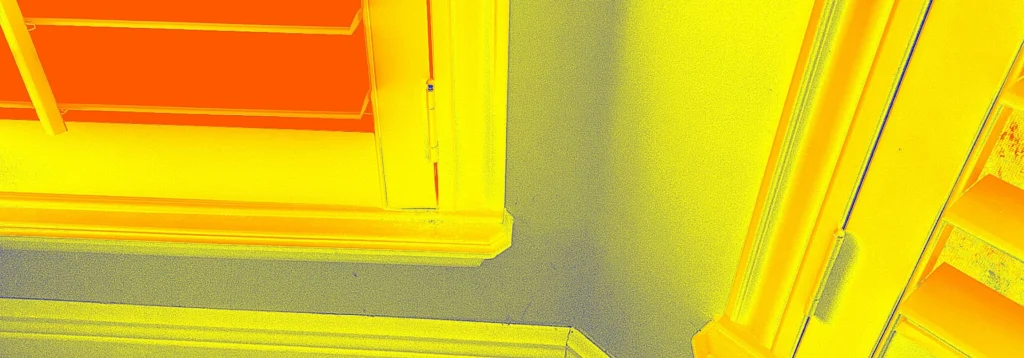
Table of Contents
Why Cold Spots in Interior Walls Should Never Be Ignored
Cold spots on interior walls often appear harmless at first, yet they can reveal serious structural concerns that continue growing long before visible damage appears. Many homeowners assume a chilly section of drywall simply reflects changing weather, although hidden insulation failures frequently create these unusual temperature differences. Jacksonville homes face persistent humidity throughout much of the year, making even small insulation gaps capable of trapping moisture that quietly spreads into surrounding building materials.
Insulation works by slowing heat transfer through walls, ceilings, and floors, creating a stable indoor environment that remains comfortable during changing outdoor conditions. Missing insulation, compressed insulation, or damaged insulation can leave certain wall sections exposed to outside temperatures while neighboring areas remain properly protected. Those uneven temperatures frequently create condensation inside wall cavities where moisture becomes trapped without obvious warning signs.
The danger increases because homeowners rarely inspect areas hidden behind drywall, allowing problems to expand unnoticed for months or even years before expensive repairs become unavoidable. Moisture trapped inside insulated wall cavities creates favorable conditions for mold colonies while also weakening wooden framing, drywall, and other structural materials. Every passing season allows hidden damage to become more widespread, increasing repair costs and creating additional opportunities for insects to invade vulnerable spaces.
Jacksonville presents unique challenges because frequent rain, warm temperatures, and high humidity combine to create an environment where moisture rarely disappears quickly. Small openings around windows, siding, utility penetrations, and roofing components may allow humid outdoor air to enter concealed wall spaces. Cold surfaces inside these cavities encourage condensation that slowly feeds mold growth while remaining invisible behind finished walls.
Hidden Openings Can Invite More Than Cold Air
Cold wall sections sometimes indicate more than simple insulation loss because they may reveal openings that allow unwanted pests to enter the structure without attracting immediate attention. Tiny cracks, separated siding joints, damaged weather barriers, and deteriorated sealants often create pathways that insects exploit throughout the year. Once these hidden entry points develop, they may remain active until significant damage finally exposes the underlying cause.
Many common household pests actively search for warm, protected spaces where they can avoid predators and harsh outdoor conditions while remaining close to food and moisture sources. Wall cavities provide an ideal environment because they remain dark, relatively undisturbed, and difficult for homeowners to inspect regularly. Bugs entering through these concealed gaps may establish nesting areas long before anyone notices unusual sounds, odors, or visible activity.
Moisture compounds this problem because damp insulation loses much of its effectiveness while also creating conditions that many insects prefer for nesting and reproduction. Wet building materials slowly deteriorate, widening existing openings and creating additional access routes that encourage repeated infestations. What begins as one cold section of drywall may eventually become evidence of several hidden issues developing simultaneously behind finished surfaces.
Another concern involves airflow that continuously carries humid outdoor air into enclosed wall cavities through unnoticed gaps. This movement allows condensation to occur repeatedly whenever indoor temperatures differ from outdoor conditions by enough to cool the incoming moisture laden air. Continuous moisture exposure slowly transforms minor insulation deficiencies into widespread structural deterioration that remains hidden until advanced damage becomes impossible to ignore.
Warning Signs That Often Appear Together
Cold spots rarely develop completely alone because insulation failures and cold spots often produce several subtle symptoms that gradually become easier to recognize over time. Higher utility bills, inconsistent room temperatures, musty odors, peeling paint, or slight drywall discoloration may all point toward hidden moisture accumulating behind interior finishes. Homeowners sometimes dismiss these changes individually, allowing the larger pattern to remain unnoticed until repairs become extensive.
Another overlooked warning involves condensation appearing on nearby windows or cool surfaces during humid weather because excessive indoor moisture frequently accompanies insulation failures hidden inside exterior walls. Rooms may begin feeling damp even when air conditioning operates normally, suggesting unwanted moisture continues entering the structure through concealed openings. These clues deserve careful attention because they often appear before significant mold growth becomes visible.
The most concerning aspect involves the silent progression of hidden damage because wall cavities conceal structural materials that rarely receive routine inspections after construction finishes. Mold colonies may expand across insulation, framing, and drywall while remaining completely invisible from occupied living spaces. Pest activity may also continue unnoticed until insects emerge indoors or damaged materials reveal long established infestations.
Ignoring these warning signs allows moisture, insects, and deteriorating insulation to reinforce one another in a cycle that becomes increasingly expensive to correct. Early investigation offers an opportunity to identify the original source before widespread contamination or structural deterioration develops. Prompt attention also helps preserve indoor comfort while reducing energy waste caused by compromised insulation performance.
Health Risks Associated With Cold Spots, Insulation Problems, and Hidden Moisture
Cold spots inside walls deserve attention because they may indicate hidden moisture that contributes to declining indoor air quality over time, even when no visible mold appears inside occupied rooms. Mold releases microscopic spores that can circulate through heating and cooling systems, allowing contaminants to spread throughout the home without obvious evidence. Long periods of exposure may contribute to coughing, throat irritation, nasal congestion, headaches, or worsening allergy symptoms in sensitive individuals.
Humidity trapped inside damaged wall cavities may also encourage bacteria, dust mites, and other microorganisms that thrive in damp environments while remaining difficult to detect during everyday activities. People with asthma, respiratory conditions, or weakened immune systems may experience greater discomfort when indoor air quality declines because airborne particles remain suspended throughout living areas. Children and older adults often spend considerable time indoors, increasing the importance of maintaining dry and properly insulated walls.
Persistent moisture may also create unpleasant odors that reduce overall comfort while signaling conditions that deserve immediate investigation before contamination spreads into additional parts of the home. Stress can increase when homeowners discover hidden structural damage after months of unnoticed deterioration because repairs often become larger than expected. Addressing insulation failures and cold spots helps reduce opportunities for mold growth, pest activity, and moisture accumulation while supporting healthier indoor air and a more comfortable living environment.