
Medical Imaging Equipment and Long Term Health Considerations
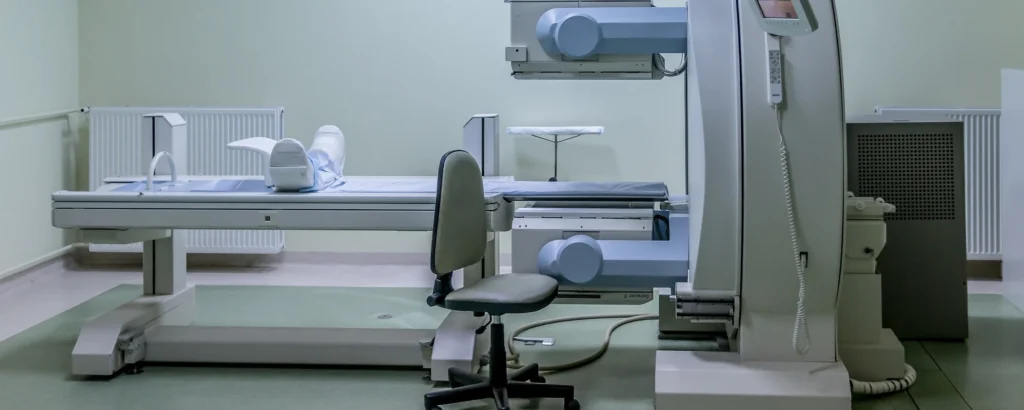
Table of Contents
Looking Beyond the Machines in the Exam Room
Medical imaging equipment often inspires anxiety because large scanners, unfamiliar sounds, and invisible forms of energy create an atmosphere that feels mysterious to many patients. Common names include imaging systems, diagnostic scanners, radiology equipment, computed tomography or CT scanners, X-ray machines, fluoroscopy units, mammography systems, and nuclear medicine devices. Suspicion can easily grow when sophisticated technology operates beyond ordinary understanding and produces results that only trained professionals can interpret.
Stories about hidden dangers sometimes suggest that every scan leaves permanent damage or that healthcare providers ignore serious long term consequences. Those claims rarely reflect the careful balance used in modern medicine, where physicians weigh potential risks against the expected diagnostic benefit before recommending imaging. Medical decisions typically consider patient history, age, symptoms, and alternative methods that may provide similar information without using ionizing radiation.
Different imaging technologies work in different ways, making broad conclusions difficult and often misleading. Ultrasound relies on sound waves rather than ionizing radiation, while magnetic resonance imaging uses magnetic fields and radio waves instead of X-rays. Conventional X-rays, CT examinations, and certain nuclear medicine procedures do involve ionizing radiation, but the amount of exposure varies depending on the specific test and clinical purpose.
The unknown can feel unsettling because patients rarely see the calculations, quality controls, and safety protocols that support diagnostic imaging behind the scenes. Equipment undergoes testing and calibration while healthcare teams follow procedures intended to keep exposures as low as reasonably achievable without compromising image quality. Awareness remains valuable, but informed questions generally provide more useful answers than assumptions based on fear alone.
Balancing Caution With Evidence
Long term health discussions surrounding medical imaging equipment deserve thoughtful attention because repeated exposure to ionizing radiation may contribute to cumulative lifetime risk. That possibility explains why healthcare professionals generally avoid unnecessary examinations and consider previous imaging history when appropriate. The existence of a potential risk does not mean that every medically indicated scan creates meaningful long term harm for an individual patient.
Narratives often portray diagnostic imaging as an invisible threat hidden behind hospital walls and protected by silence from institutions. Such stories may overlook the extensive scientific research, regulatory oversight, and continuing evaluation that shape imaging practices across healthcare systems. Healthy skepticism should encourage informed conversations with qualified professionals rather than assumptions that every recommendation conceals undisclosed danger.
Patients can play an active role by maintaining records of significant imaging procedures, discussing concerns with healthcare providers, and asking whether alternative techniques might answer the same clinical question. Shared decision making supports transparency while recognizing that early diagnosis frequently improves treatment options and health outcomes. Responsible awareness helps people understand both the benefits and the limitations of modern medical imaging equipment.
Why Understanding Medical Imaging Equipment and Health Risks Matters
Understanding medical imaging encourages patients to participate in healthcare decisions with realistic expectations instead of relying on alarming claims or unsupported speculation. Awareness of cumulative exposure, appropriate use, and available alternatives helps individuals ask informed questions while appreciating why certain examinations remain medically necessary. This balanced perspective supports better communication and reduces confusion during stressful medical situations.
Health considerations deserve careful attention because imaging technologies differ substantially in how they operate and what risks they may present. Appropriate use of diagnostic imaging can identify injuries, detect disease earlier, and guide treatment decisions that may substantially improve patient outcomes. Remaining informed allows people to recognize that thoughtful medical practice seeks to maximize diagnostic value while minimizing unnecessary exposure whenever reasonably possible.