Hidden Gaps Behind Your Walls Could Expose Your Home to EMF Radiation
Table of Contents
Hidden Insulation Failures That May Leave Your Home Vulnerable
Most homeowners never think about what exists behind finished drywall because everything appears solid, clean, and completely protected from view. That confidence can become dangerous when protective insulation, shielding materials, or other barriers contain hidden gaps that remain undiscovered for years. Small openings, damaged sections, or incomplete installations may create weak points that encourage concern about electrical performance, energy efficiency, moisture intrusion, or other building related problems. Some people also worry that these hidden defects could reduce the effectiveness of materials intended to limit exposure to electromagnetic fields, commonly called EMFs, electromagnetic radiation, or electromagnetic frequencies, although the actual health risks from typical household EMF exposure remain the subject of ongoing scientific research.
Stories shared across online forums often describe mysterious symptoms, unexplained equipment interference, or unusual electrical behavior that users believe originated behind finished walls. Those accounts can sound convincing because hidden spaces naturally prevent easy inspection, allowing uncertainty to grow whenever unexpected problems appear inside a home. Speculation frequently fills the empty space where direct evidence should exist, making ordinary construction flaws seem far more mysterious than they actually are.
Construction quality varies widely between builders, contractors, remodeling crews, and individual repair projects completed over many decades. A single damaged section of insulation or an improperly repaired wall cavity may remain unnoticed until another renovation exposes the hidden area years later. Poor workmanship, accidental punctures, rodent activity, hidden gaps, water damage, or later electrical installations can all alter the condition of materials concealed behind drywall without creating obvious warning signs inside occupied rooms.
Concern increases when homeowners install products marketed as EMF shielding materials because many advertisements imply complete protection while offering little explanation about installation quality. Even a well designed shielding system depends on continuous coverage according to the manufacturer’s instructions, making damaged areas or installation errors an understandable source of concern. At the same time, it is important to recognize that many commercial claims regarding EMF shielding exceed the strength of available scientific evidence regarding ordinary residential exposure.
Why Hidden Wall Cavities Create Lasting Uncertainty
Drywall creates an effective visual barrier that prevents routine inspection of framing, wiring, insulation, plumbing, and any specialty materials installed within wall cavities. That hidden environment allows defects to remain concealed while encouraging assumptions whenever unexplained household issues appear. Human nature often connects unrelated events into a single narrative, especially when the suspected source cannot be examined without opening finished walls.
Electrical wiring itself produces electromagnetic fields whenever current flows through conductors, yet properly installed residential electrical systems generally comply with established building codes and safety standards. Many fears arise when people imagine damaged insulation exposing dangerous invisible energy throughout an entire home without realizing that electromagnetic fields behave according to measurable physical principles rather than mysterious forces. Reliable measurements require appropriate instruments instead of assumptions based on isolated experiences or internet rumors.
Another overlooked issue involves renovations completed over many years by different workers using different standards and materials. Holes drilled for new cables, plumbing repairs, recessed fixtures, or structural modifications may unintentionally disturb existing insulation or other protective materials hidden behind finished surfaces. Those changes can reduce energy efficiency, introduce moisture problems, or complicate future maintenance without necessarily creating meaningful changes in household EMF exposure.
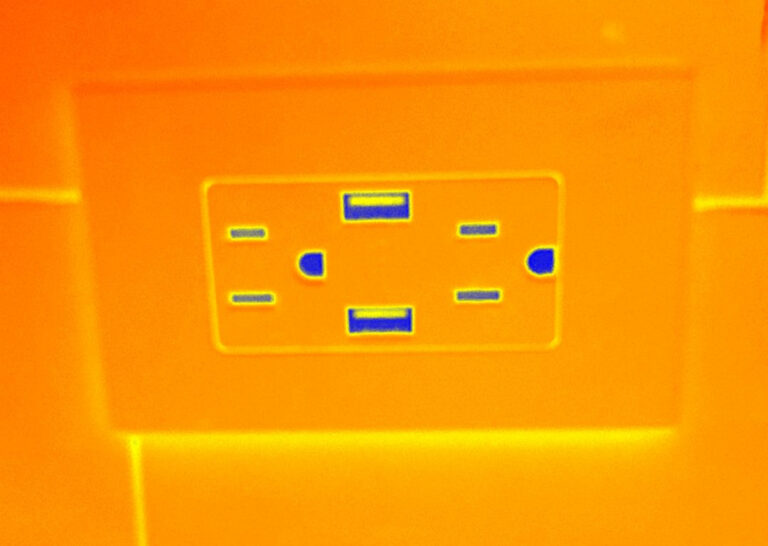
Building professionals generally recommend investigating visible signs of water intrusion, pest activity, electrical faults, or structural damage before assuming hidden radiation problems exist. Thermal imaging, moisture testing, electrical inspections, and selective wall openings often provide practical answers that replace speculation with observable evidence. Careful inspection usually reveals conventional building defects long before extraordinary explanations become necessary.
Separating Genuine Building Problems From Fear Driven Claims
Alarming headlines frequently suggest that invisible hazards surround modern homes while implying that nearly every unexplained symptom originates from unseen electromagnetic radiation leaking through damaged walls. Such claims attract attention because invisible threats naturally provoke stronger emotional reactions than ordinary maintenance issues requiring routine repairs. Fear spreads much faster than careful investigation, especially when technical language appears alongside dramatic personal stories that seem impossible to verify independently.
Scientific organizations continue studying electromagnetic fields from household electrical systems, wireless devices, and communication equipment because understanding develops through repeated measurement rather than isolated anecdotes. Current evidence has not established that typical residential EMF exposure causes the wide range of illnesses often claimed in alarming online discussions. That conclusion does not eliminate the importance of maintaining safe electrical systems, repairing damaged wiring, or correcting construction defects that present established safety concerns.
Homeowners benefit most by focusing on measurable issues that directly affect safety, durability, and building performance instead of assuming every imperfection conceals an extraordinary danger. Licensed electricians can identify wiring defects, qualified inspectors can evaluate insulation quality for hidden gaps, and experienced contractors can repair damaged wall assemblies using accepted construction practices. Those practical steps reduce uncertainty while addressing problems supported by observable evidence instead of speculation alone.
The Importance of Hidden Protective Barriers and Their Impact on Health
Maintaining walls, insulation, and electrical systems in good condition remains important because damaged building components can contribute to several well documented health and safety concerns even when EMF exposure is not the primary issue. Moisture entering damaged wall cavities may encourage mold growth, deteriorating materials can release dust, and faulty wiring may increase the risk of electrical fires or equipment failure. Regular inspections after leaks, renovations, or major electrical work help identify problems before they become expensive or hazardous.
People concerned about electromagnetic fields should understand that anxiety itself can become a significant burden when alarming claims replace balanced information and careful evaluation. Worrying constantly about invisible hazards hidden behind every wall can increase stress, interfere with sleep, and encourage unnecessary spending on products that promise unrealistic levels of protection. Objective testing performed by qualified professionals offers a more reliable path than relying on fear based marketing or unsupported online stories.
Healthy homes depend on sound construction, safe electrical installations, effective moisture control, and routine maintenance rather than assumptions about unseen dangers. Addressing visible defects promptly, following accepted building standards, and seeking qualified inspections when genuine concerns arise provides meaningful protection for occupants and the structure itself. Thoughtful decisions based on evidence help reduce unnecessary fear while supporting both physical wellbeing and long term confidence in the safety of the living environment.