How Artificial Light Is Quietly Reshaping Sleep Across Jacksonville
Table of Contents
The Growing Nighttime Glow Over Jacksonville
Jacksonville has long been known for its sprawling neighborhoods, busy highways, expanding commercial districts, and extensive waterfront development. While these features contribute to economic growth and convenience, they also generate an expanding blanket of artificial light that stretches across much of the city after sunset. Many residents barely notice the gradual increase because it develops slowly over time, blending into everyday life until darker nights become increasingly rare.
Light pollution, sometimes called photopollution or excessive artificial illumination, occurs when outdoor lighting brightens the night sky beyond natural levels. Streetlights, parking lots, billboards, sports complexes, industrial facilities, and residential security lighting all contribute to this effect. The result is a persistent glow that penetrates bedroom windows, reflects off surfaces, and creates conditions that can interfere with normal sleep cycles.
Researchers have spent years examining how artificial light affects human biology, and their findings continue to raise concerns. The human body evolved under predictable patterns of daylight and darkness, allowing internal systems to regulate sleep, alertness, and hormone production. Modern , artificial light has disrupted these natural signals, creating an environment where the brain receives conflicting information long after the sun has disappeared.
Jacksonville presents unique challenges because of its size and continued development. Large commercial corridors remain brightly illuminated throughout the night, while growing suburban areas often introduce additional lighting infrastructure. Residents living near major roads or retail districts may experience constant exposure to artificial brightness, even when they attempt to create darker sleeping environments inside their homes.
The Biological Signals Being Interrupted
The human brain relies on darkness to trigger important physiological processes associated with sleep preparation. One of the most significant responses involves the production of melatonin, a hormone that helps regulate circadian rhythms and signals the body that it is time to rest. Exposure to bright artificial light during evening hours can suppress melatonin production and delay the onset of sleep.
Many Jacksonville residents encounter multiple sources of illumination before bedtime. Television screens, smartphones, tablets, outdoor security lights, illuminated signs, and vehicle headlights can combine into a steady stream of brightness that confuses the body’s internal clock. Even relatively small amounts of artificial light entering a bedroom may influence sleep quality when exposure occurs consistently over long periods.
The consequences often extend beyond difficulty falling asleep. Individuals exposed to excessive nighttime lighting may experience more fragmented sleep patterns, reduced time spent in restorative sleep stages, and increased fatigue during daylight hours. These effects can accumulate gradually, making them difficult to recognize until sleep deprivation begins affecting daily performance.
Some observers argue that the scale of artificial illumination continues to grow faster than public awareness. New developments frequently prioritize visibility, security, and commercial attractiveness, while concerns about biological consequences receive less attention. This imbalance has fueled concerns that communities may be creating environments that quietly undermine healthy sleep without fully understanding the long term implications.
Urban Expansion and the Disappearing Darkness
Jacksonville’s growth has brought additional lighting installations to roads, neighborhoods, shopping centers, and recreational facilities. Each individual project may appear insignificant when viewed alone, yet the combined effect can dramatically alter nighttime conditions across large geographic areas. Areas that once experienced natural darkness often remain illuminated throughout the night, reducing opportunities for complete environmental recovery after sunset.
Skyglow has become one of the most visible consequences of this expansion. Skyglow occurs when artificial light scatters through the atmosphere and creates a bright haze over urban areas. Residents may notice fewer visible stars, but the more significant concern involves the constant background illumination that prevents truly dark conditions from developing.
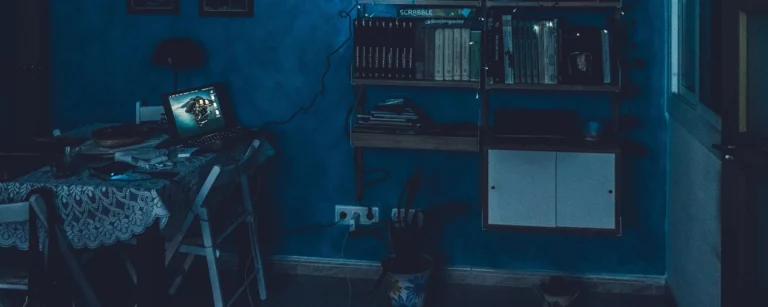
Bedroom environments are especially vulnerable when homes are located near commercial zones or heavily traveled roads. Artificial light can enter through curtains, blinds, and gaps around windows, producing subtle but persistent stimulation throughout sleeping hours. Individuals may remain unaware of the intrusion because they become accustomed to it over time, even while their sleep quality gradually declines.
Security concerns often drive the installation of brighter outdoor lighting systems. While visibility can play an important role in safety strategies, some experts question whether excessive illumination always delivers the intended benefits. Poorly directed lighting can create glare, reduce visual contrast, and spread brightness into neighboring properties, expanding exposure beyond the areas originally targeted.
Another factor involves the widespread adoption of bright white lighting technologies. These systems often emit higher levels of blue spectrum light, which can have a stronger influence on circadian rhythms. As these technologies become more common throughout urban environments, concerns continue to grow regarding their potential impact on nighttime biological processes.
Residents attempting to protect their sleep often face challenges because artificial light pollution originates from many different sources simultaneously. A homeowner may darken one room successfully while still receiving illumination from adjacent streets, nearby businesses, vehicle traffic, or neighboring properties. This layered exposure creates conditions where true darkness becomes increasingly difficult to achieve.
Why Artificial Light Pollution Matters for Health and Well-being
Sleep serves as one of the most important biological processes supporting physical recovery, cognitive performance, emotional stability, and overall health. When light pollution interferes with normal sleep patterns, the consequences can extend far beyond simple tiredness the following morning. Repeated disruption may affect concentration, productivity, mood regulation, and daily decision making.
Jacksonville residents exposed to persistent nighttime illumination may experience subtle sleep disturbances that develop gradually over months or years. These disruptions often escape immediate notice because they emerge slowly rather than appearing as sudden symptoms. Many individuals attribute daytime fatigue to stress, workload, aging, or lifestyle factors while overlooking the potential influence of excessive nighttime brightness.
Healthy circadian rhythms depend on a clear distinction between daytime light and nighttime darkness. Artificial illumination weakens this distinction and may reduce the effectiveness of the body’s natural timing systems. When these systems become less synchronized, sleep schedules can drift, resulting in inconsistent rest and reduced recovery during the night.
Growing awareness of light pollution has encouraged discussions about smarter lighting practices, improved fixture design, and greater consideration of biological health during urban planning decisions. Communities that prioritize responsible lighting may reduce unnecessary exposure while still maintaining visibility and public safety. Such efforts can help preserve darker nights, improve sleep conditions, and support long term wellbeing for residents throughout the Jacksonville area.