Nuclear Medicine and Health Awareness in Jacksonville, Florida
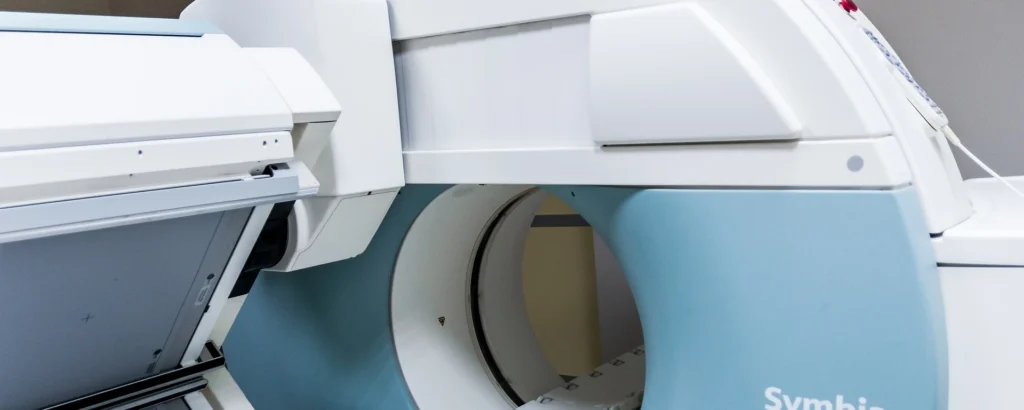
Table of Contents
Understanding Nuclear Medicine in Jacksonville, Florida
Nuclear medicine has become an important part of modern healthcare in Jacksonville, Florida, where advanced diagnostic imaging and targeted treatment methods continue to influence medical decisions across many specialties. Unlike conventional imaging methods that primarily show physical structures, nuclear medicine focuses on the function of organs, tissues, and biological systems. This approach allows physicians to identify problems that may remain hidden until they become more serious and difficult to treat.
Many residents may hear the terms nuclear medicine, molecular imaging, radionuclide imaging, or nuclear imaging without fully understanding their significance. These services involve the use of small amounts of radioactive materials that help healthcare providers visualize internal processes with remarkable precision. Jacksonville has experienced substantial healthcare growth during recent decades, leading to increased access to advanced diagnostic technologies that support earlier detection of disease.
The growing reliance on nuclear medicine reflects a broader concern within modern healthcare. Many serious illnesses develop quietly while producing few noticeable symptoms during their earliest stages. Conditions affecting the heart, bones, thyroid gland, and various organs can progress for months or years before becoming obvious. Nuclear medicine helps reveal these hidden developments, giving healthcare professionals opportunities to intervene before irreversible damage occurs.
Healthcare facilities throughout Jacksonville often utilize nuclear medicine procedures to evaluate cancer, cardiovascular disease, neurological disorders, and endocrine conditions. These examinations generate valuable information about how organs function rather than merely displaying their appearance. That distinction can make a significant difference when physicians attempt to determine the true extent of a medical problem.
Why Early Detection Creates Growing Interest
Public awareness regarding chronic disease has increased substantially, and many people now recognize that waiting for symptoms can be a dangerous strategy. Heart disease, cancer, and neurological disorders often progress beneath the surface while outward signs remain limited. Nuclear medicine contributes to earlier recognition of these threats by identifying abnormal biological activity before structural changes become severe enough to appear through traditional imaging methods.
Jacksonville’s expanding population has also intensified demand for advanced healthcare services. Larger communities naturally experience higher rates of chronic illness, age related conditions, and complex medical cases. As healthcare providers respond to these challenges, nuclear medicine continues to play a growing role in helping physicians make informed decisions regarding diagnosis, treatment planning, and long term monitoring.
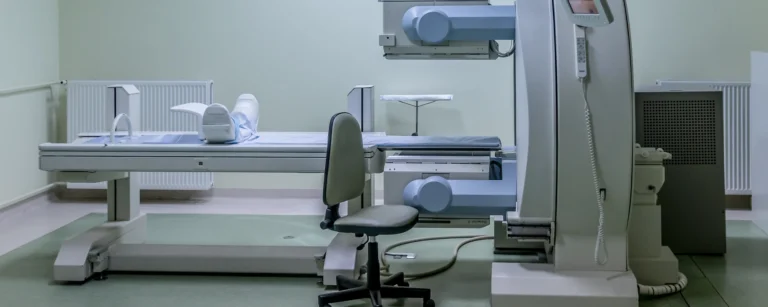
Many examinations involve sophisticated imaging systems that track how radioactive tracers move through the body. Areas that absorb these tracers differently may indicate disease activity, tissue damage, or abnormal function. Such findings can provide warnings that would otherwise remain concealed until a condition reaches a more advanced stage.
Concerns about hidden health risks have encouraged greater attention toward preventive healthcare measures. Nuclear medicine fits within this broader effort by supplying detailed information that supports proactive medical care. The ability to detect subtle biological changes often influences treatment recommendations and may improve outcomes when conditions are addressed promptly.
Applications Across Multiple Medical Specialties
Nuclear medicine supports a wide range of medical specialties throughout Jacksonville, Florida. Oncology frequently relies on nuclear imaging to locate cancerous activity, evaluate treatment response, and monitor potential recurrence. These capabilities provide physicians with valuable insights when determining the effectiveness of therapies and identifying areas that require additional attention.
Cardiology also benefits from nuclear medicine techniques that assess blood flow to the heart muscle. Reduced circulation may signal underlying cardiovascular disease that could eventually lead to severe complications if left undetected. Early identification of these issues helps physicians develop treatment plans designed to reduce future risks.
Neurological applications continue to attract increasing attention because many brain disorders develop gradually while producing subtle symptoms during their initial stages. Nuclear medicine studies can reveal changes in brain activity that contribute to diagnostic evaluations. This information assists healthcare professionals as they investigate complex neurological conditions and monitor disease progression.
Bone imaging represents another important area where nuclear medicine contributes significant value. Tiny abnormalities, infections, fractures, and other skeletal issues may become visible through specialized imaging techniques. Detecting these problems sooner can influence treatment decisions and potentially prevent more serious complications from developing over time.
The Importance of Nuclear Medicine and Jacksonville Florida for Your Health
Nuclear medicine holds considerable importance for residents of Jacksonville, Florida because it provides healthcare professionals with tools capable of revealing hidden biological processes that might otherwise escape detection. Many serious illnesses begin silently and continue advancing while individuals feel relatively healthy. By uncovering functional abnormalities before substantial structural damage occurs, nuclear medicine supports earlier diagnosis and more informed treatment decisions.
The impact on personal health can be significant because accurate information often influences every stage of medical care. Physicians depend upon detailed diagnostic findings when determining whether symptoms stem from cancer, cardiovascular disease, neurological disorders, thyroid conditions, or other health concerns. Nuclear medicine examinations help reduce uncertainty and provide clearer guidance regarding appropriate interventions.
Jacksonville’s healthcare environment continues to evolve alongside population growth and increasing medical complexity. Access to advanced nuclear medicine services contributes to a stronger healthcare infrastructure that supports patients facing a wide variety of medical challenges. Earlier detection may create opportunities for treatment before conditions become more difficult, expensive, or dangerous to manage.
Health outcomes frequently depend upon timing, and delays in diagnosis can allow disease processes to progress beyond critical thresholds. Nuclear medicine offers another layer of insight that complements other diagnostic methods while helping healthcare providers identify concerns that traditional imaging alone may not reveal. This capability strengthens efforts aimed at prevention, monitoring, and long term disease management.
The broader impact extends beyond individual patients because healthier populations place fewer demands on healthcare resources and emergency services. As awareness grows regarding hidden health threats and chronic disease risks, nuclear medicine remains an increasingly valuable component of modern healthcare throughout Jacksonville. Its ability to expose concealed biological activity continues to influence diagnostic strategies and supports the ongoing pursuit of earlier intervention, improved treatment planning, and better overall health outcomes.